
Asbestos in the Workplace: Know Your Legal Duties
Why Asbestos Still Matters
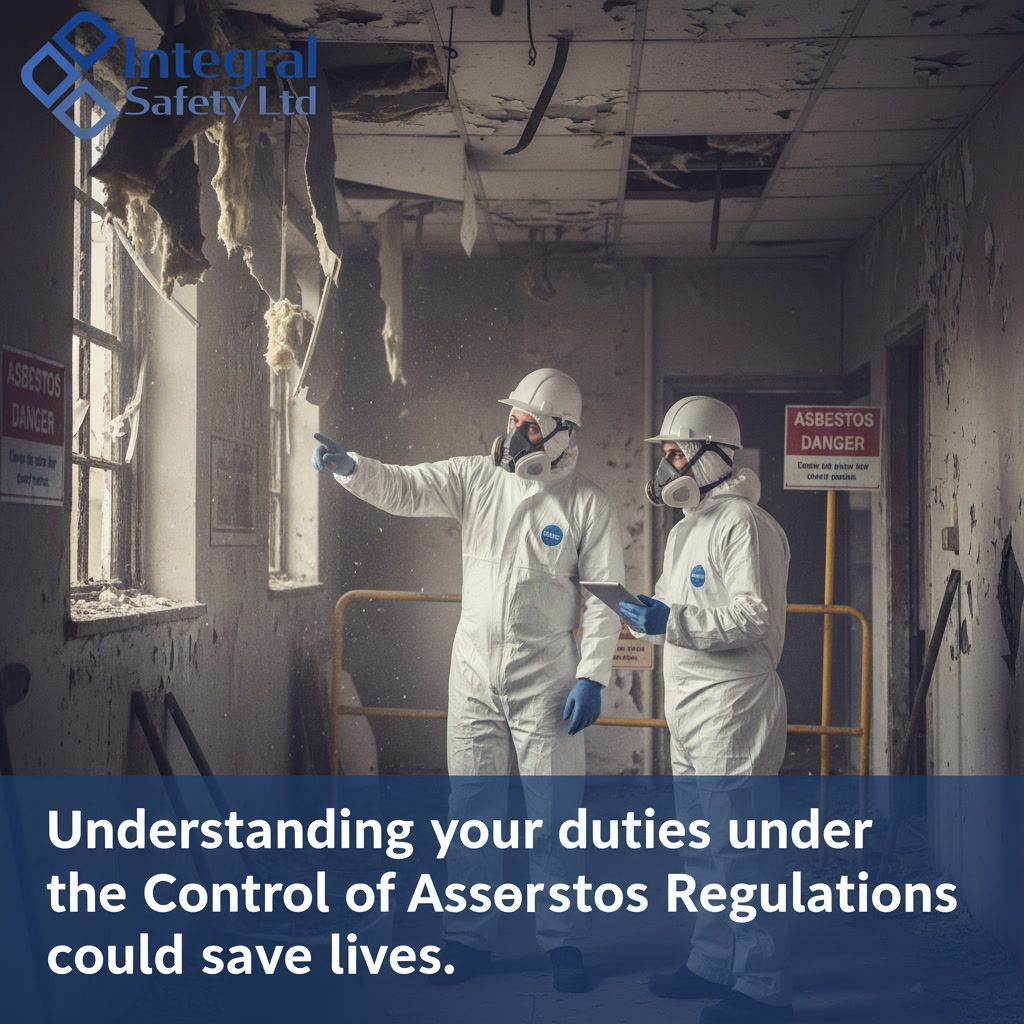
Asbestos was widely used in British buildings until it was finally banned in 1999. It can be found in many materials including insulation, ceiling tiles, floor tiles, roofing, textured coatings, and pipe lagging. Any building constructed or refurbished before 2000 may contain asbestos-containing materials (ACMs).
When asbestos fibres are released into the air and inhaled, they can cause serious diseases including mesothelioma, asbestos-related lung cancer, and asbestosis. These diseases typically develop 15-60 years after exposure, meaning people are still dying today from exposures that occurred decades ago.
The Duty to Manage
If you own, occupy, or manage a non-domestic premises, the Control of Asbestos Regulations 2012 place a duty on you to manage asbestos. This applies to employers, building owners, tenants, and anyone else with responsibility for maintenance or repair.
The duty to manage requires you to:
Asbestos Surveys
To find out whether asbestos is present, you need an asbestos survey conducted by a competent surveyor. There are two types:
Management survey: The standard survey for managing asbestos in day-to-day building operations. It identifies ACMs that could be disturbed during normal occupancy and routine maintenance.
Refurbishment and demolition survey: Required before any refurbishment or demolition work. It is more intrusive and aims to identify all ACMs, including those that are hidden or difficult to access.
The Asbestos Register
Your survey results should be recorded in an asbestos register. This document should be readily available to anyone who needs it, particularly maintenance workers, contractors, and emergency services. It should include the location of ACMs, their condition, and the risk assessment for each.
Managing Asbestos in Good Condition
Asbestos that is in good condition and unlikely to be disturbed is often safer to leave in place and manage rather than remove. Removal itself creates risk, as it involves disturbing the material.
If you leave asbestos in place, you must:
When Removal Is Necessary
Removal should be carried out by a licensed contractor for most types of asbestos work. Only certain lower-risk work can be done without a licence, and even then, specific requirements must be followed.
Never attempt to remove or disturb asbestos yourself unless you are trained and equipped to do so. The consequences of improper handling can be fatal.
Training Requirements
Anyone whose work could foreseeably expose them to asbestos must receive appropriate training. This includes maintenance workers, building managers, and anyone who might come into contact with ACMs during their work.
How We Can Help
Managing asbestos can seem daunting, but it does not have to be. Integral Safety can help you understand your duties, review your asbestos management arrangements, and ensure you have the systems in place to keep people safe. Contact us for guidance on asbestos management and compliance.
How Integral Safety Can Help
In your area or sector
Need advice specific to your business? Get in touch for a free, no-obligation consultation.
