Integral Safety Ltd

Our Services

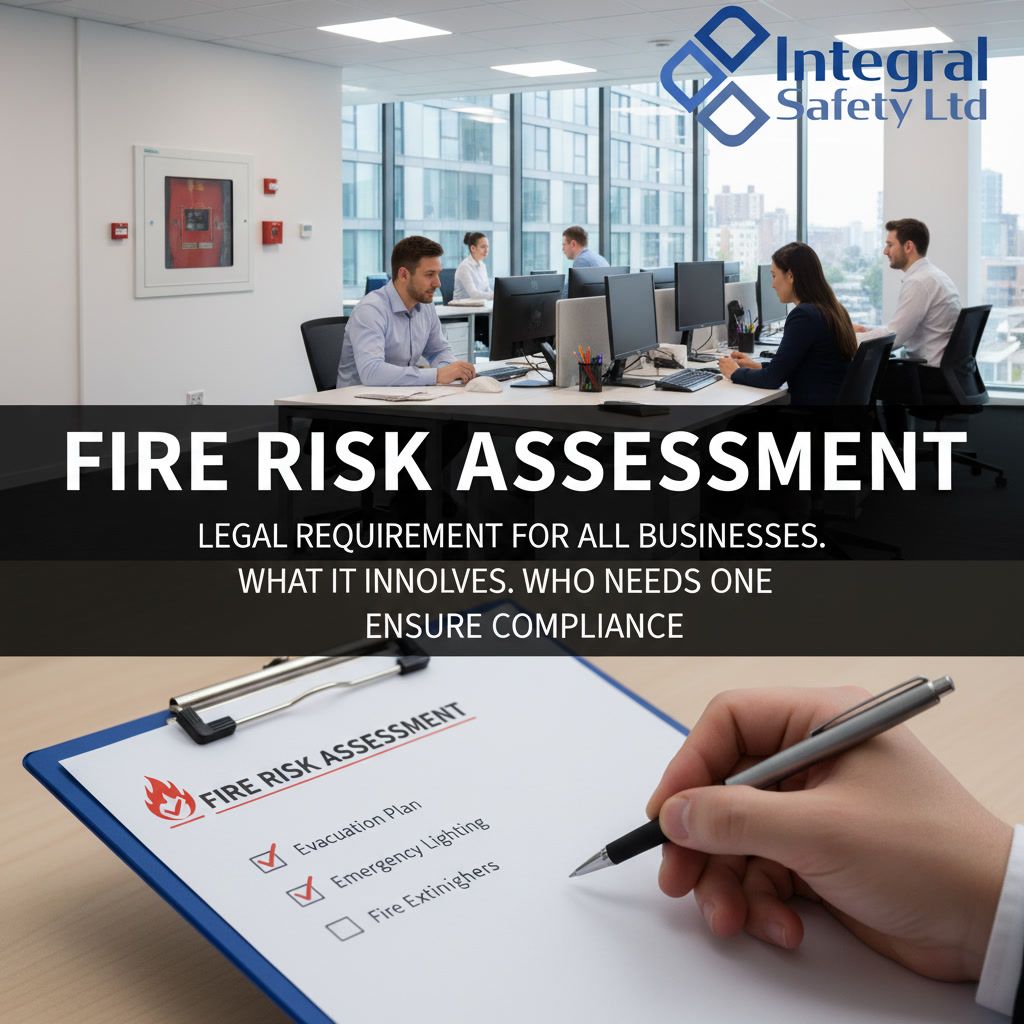
Fire Risk Assessments

PAS 79 compliant fire risk assessments for all premises types. Protect your people and property.

Fire Risk Assessments Across Leicestershire & the Midlands

PAS 79 compliant fire risk assessments from local fire safety professionals based in Coalville and Melton Mowbray. Serving Leicester, Loughborough, Hinckley, Nuneaton, and the wider East Midlands.

About This Service

PAS 79 compliant fire risk assessments from experienced fire safety professionals. We assess all premises types including sleeping risk properties like care homes and HMOs. Based in Coalville and Melton Mowbray, serving Leicester, Loughborough, Nottingham, Derby and the wider East Midlands.

What We Assess

Sources of ignition and fuel
Means of escape and emergency routes
Emergency lighting and signage
Fire detection and warning systems
Fire-fighting equipment provision
Compartmentation integrity
Fire doors and their condition
Electrical safety and installations
Storage of flammable materials
Housekeeping and waste management
Arson prevention measures
Staff training and fire drills
Emergency plans and procedures
Sleeping risk considerations
Vulnerable occupant provisions

Our Process

1

Initial Consultation

We discuss your premises, occupancy type, and any specific concerns. You tell us about your building, how it is used, and who occupies it. We explain what the assessment involves and provide a clear quote.

2

Document Review

Before the site visit, we review any existing fire safety documentation, previous assessments, fire alarm certificates, and building plans if available.

3

Site Visit

Our qualified assessor conducts a thorough inspection of your premises. We examine fire safety measures, means of escape, fire detection systems, compartmentation, fire doors, and identify all fire hazards.

4

Risk Evaluation

We evaluate who is at risk, particularly vulnerable people and those in sleeping accommodation. We assess existing controls and determine what additional measures may be needed.

5

Report Preparation

We prepare a comprehensive PAS 79 compliant report with clear findings, photographs, and prioritised action plan with realistic timescales.

6

Handover & Support

We deliver the report and walk you through the findings. We are available to answer questions and can help you address any significant findings.

What You'll Receive

  • Comprehensive PAS 79 compliant fire risk assessment report
  • Executive summary of key findings
  • Detailed photographic evidence
  • Prioritised action plan with timescales
  • Fire safety policy template if required
  • Emergency evacuation plan recommendations
  • Ongoing support and advice
  • Review reminders when reassessment is due

Types of Premises We Cover

Offices and commercial premises
Retail shops and shopping centres
Warehouses and industrial units
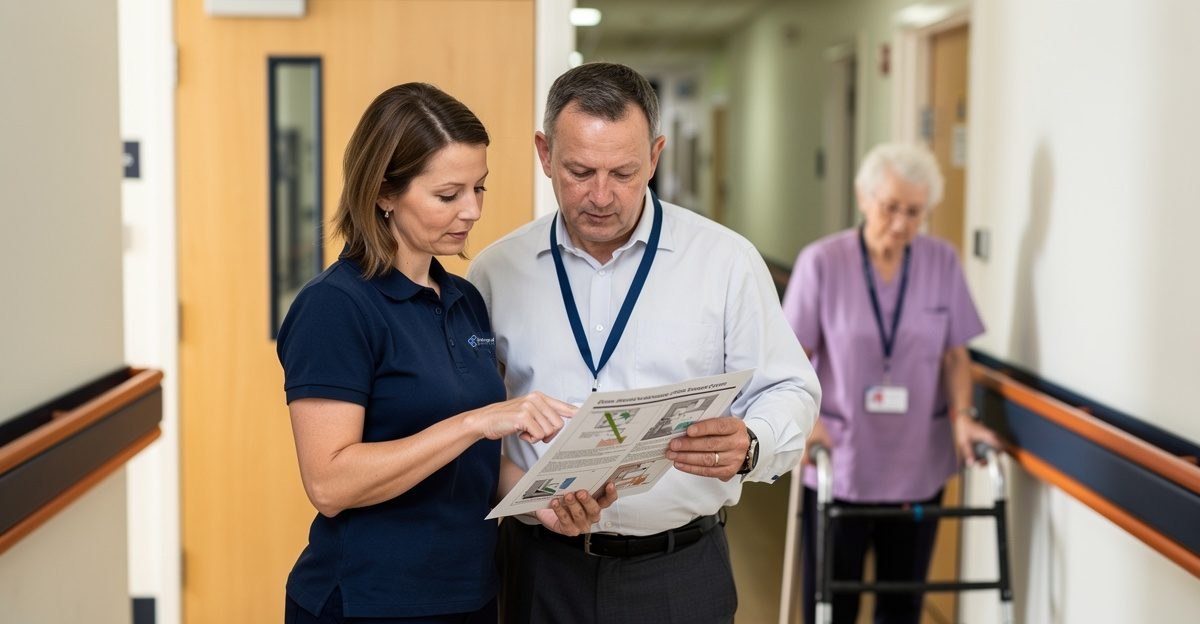
Care homes and nursing homes
Houses in Multiple Occupation (HMOs)
Hotels and guest houses
Schools and educational establishments
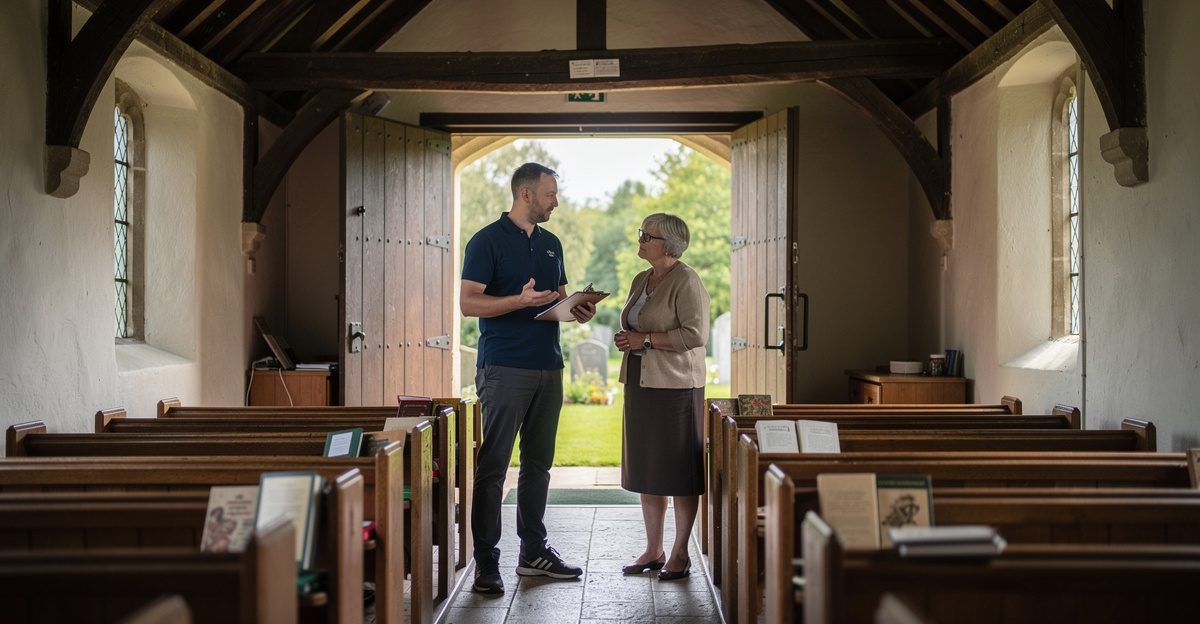
Churches and places of worship
Leisure centres and gyms
Restaurants and pubs
Blocks of flats (common areas)
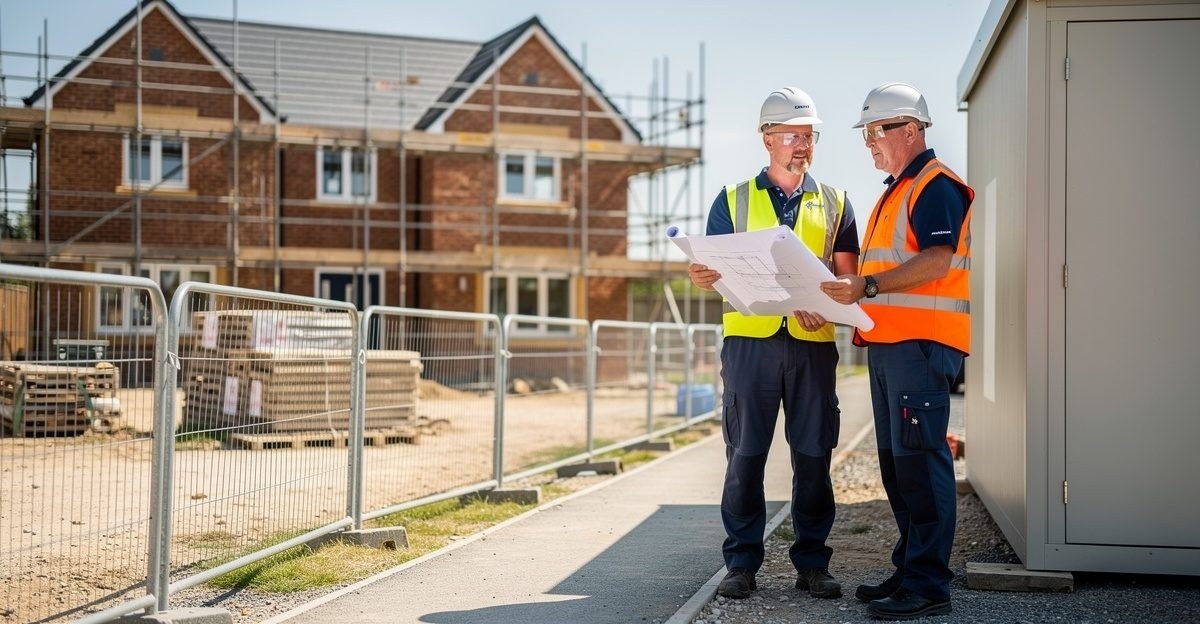
Construction sites

Frequently Asked Questions

How often should a fire risk assessment be reviewed?

Fire risk assessments should be reviewed regularly, typically annually, or sooner if there are significant changes to the premises, occupancy, or fire safety arrangements. High-risk premises like care homes and HMOs may require more frequent reviews.

Is a fire risk assessment a legal requirement?

Yes. Under the Regulatory Reform (Fire Safety) Order 2005, the responsible person for any non-domestic premises must carry out a suitable and sufficient fire risk assessment. This includes common areas of blocks of flats, HMOs, and all workplaces.

What is a sleeping risk fire risk assessment?

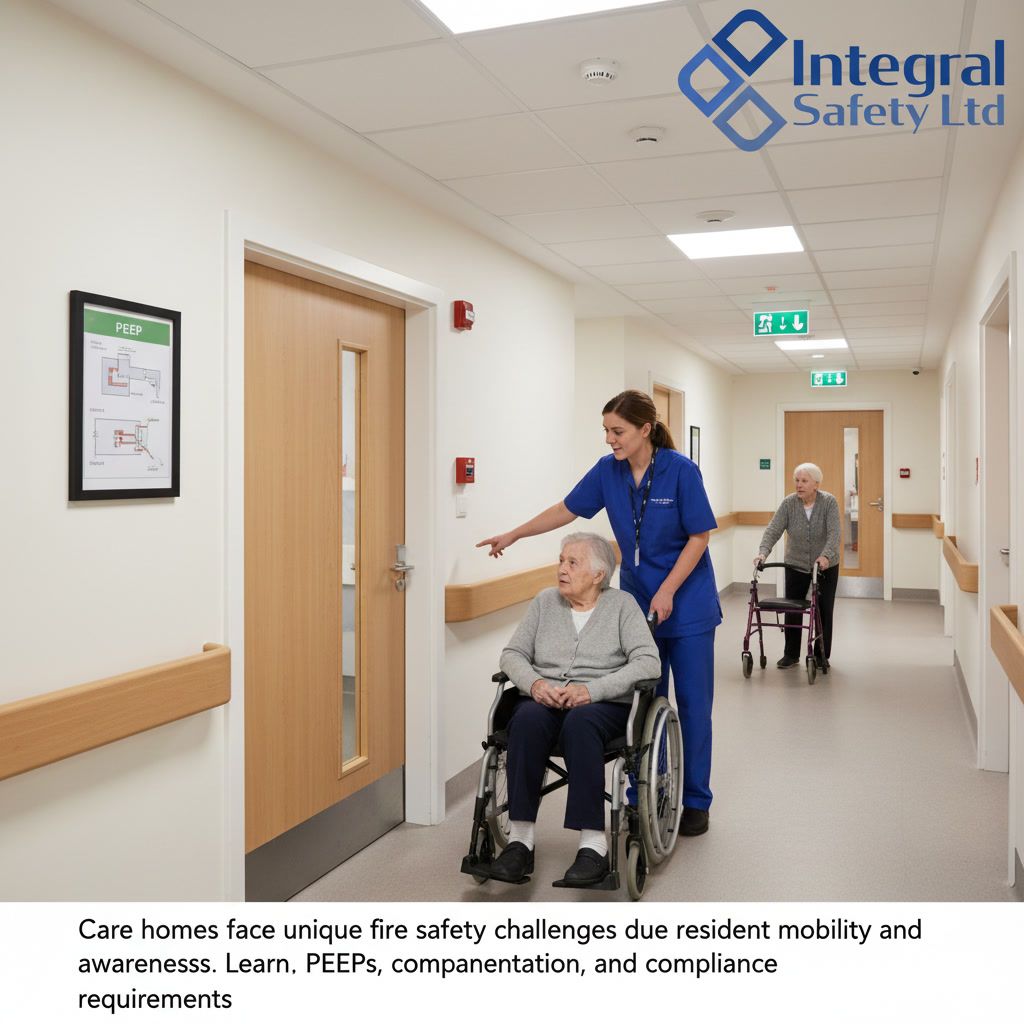
A sleeping risk assessment is required for premises where people sleep, such as care homes, hotels, HMOs, and hostels. These assessments are more detailed because sleeping occupants are at greater risk and may need more time to evacuate.

Do you inspect fire doors?

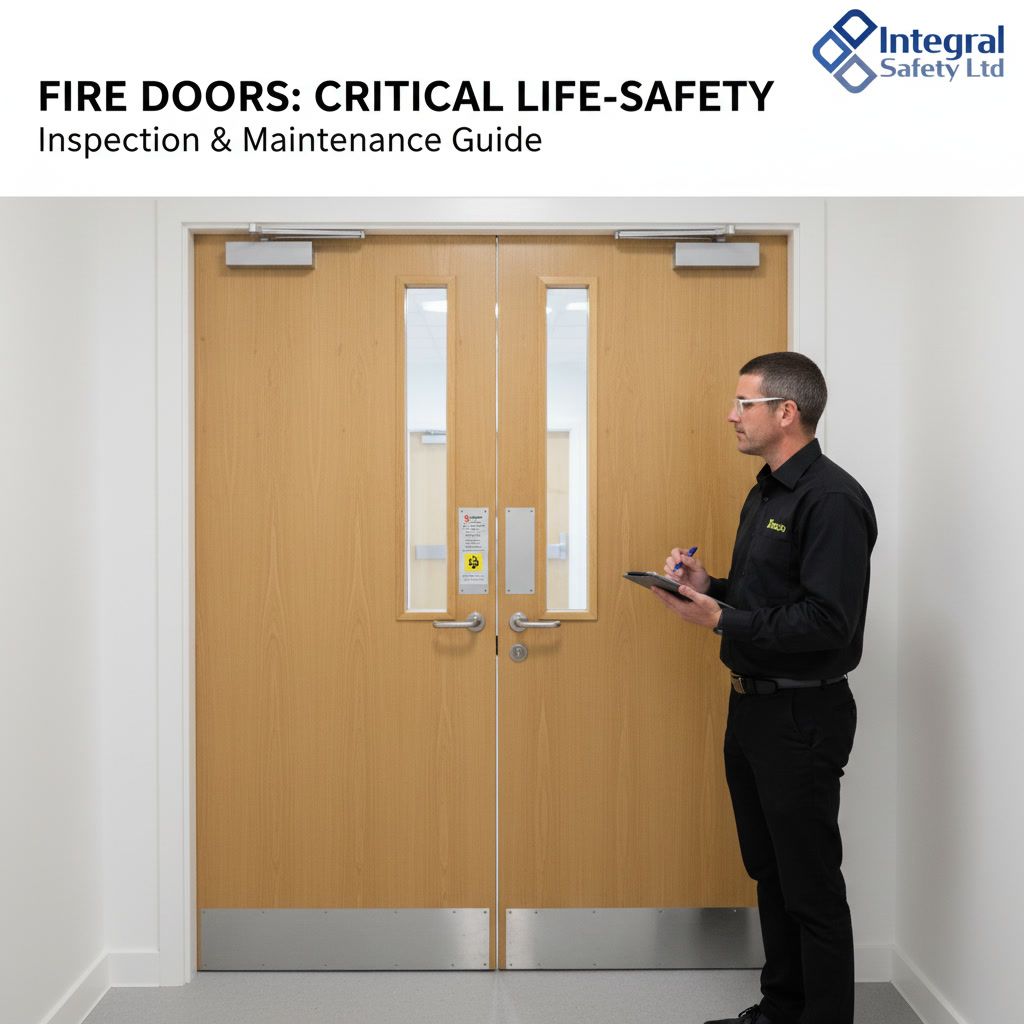
Yes, we inspect fire doors as part of our fire risk assessments. We check for correct certification, condition, self-closing devices, intumescent strips, smoke seals, and gaps. We can provide recommendations for repairs or replacements.

What is compartmentation and do you check it?

Compartmentation divides a building into fire-resistant sections to prevent fire spread. We visually assess compartmentation as part of our assessment, checking fire barriers, protected routes, and service penetrations. We do not conduct destructive surveys.

How much does a fire risk assessment cost?

Costs depend on the size, complexity, and type of premises. We provide free, no-obligation quotes. Contact us with details of your property and we will give you a competitive fixed price.

Key Benefits

  • Legal compliance with the Regulatory Reform (Fire Safety) Order 2005
  • Protection of life and property
  • Satisfy insurance requirements
  • Meet landlord licensing obligations
  • Demonstrate due diligence
  • Clear prioritised action plan
  • Peace of mind for you and your occupants

Ready to Get Started?

Contact us for a free, no-obligation quote or to discuss your requirements.

01530 382 150 Send Enquiry

What We Assess

Sources of ignition and fuel
Means of escape and emergency routes
Emergency lighting and signage
Fire detection and warning systems
Fire-fighting equipment provision
Compartmentation and fire doors
Electrical safety and installations
Storage of flammable materials
Housekeeping and waste management
Arson prevention measures
Staff training and fire drills
Emergency plans and procedures

Our Process

1

Initial Consultation

We discuss your premises, occupancy, and any specific concerns. You tell us about your building and how it is used, and we explain what the assessment involves.

2

Site Visit

Our assessor visits your premises to carry out a thorough inspection. We examine all areas, take photographs, and review your existing fire safety arrangements and documentation.

3

Risk Evaluation

We identify fire hazards, evaluate who might be at risk, and assess the adequacy of existing control measures. We consider both the likelihood of fire and its potential consequences.

4

Report Preparation

We prepare a detailed, PAS 79:2020 compliant report with clear findings, risk ratings, and a prioritised action plan with recommended timescales.

5

Delivery & Discussion

We deliver your report and walk you through the findings. We explain each recommendation clearly and answer any questions you may have.

What You Receive

Comprehensive PAS 79:2020 compliant fire risk assessment report
Detailed photographic evidence of findings
Clear risk ratings for identified hazards
Prioritised action plan with recommended timescales
Floor plans showing escape routes and equipment (where applicable)
Summary of significant findings for quick reference
Recommendations for staff training requirements
Digital PDF format for easy sharing and storage

Types of Premises We Cover

Commercial offices and business premises
Retail shops and shopping centres
Houses in Multiple Occupation (HMOs)
Housing association properties
Communal areas of flats and apartments
Care homes and residential care facilities
Schools, colleges, and educational buildings
Warehouses and industrial units
Hotels, B&Bs, and hospitality venues
Pubs, restaurants, and licensed premises
Churches and community halls
Construction sites and temporary structures

Why Choose Us

Local Leicestershire-based consultants
Fully PAS 79:2020 compliant assessments
Serving Leicester, Loughborough, Hinckley & beyond
Detailed photographic reports
Prioritised action plans with timescales
Suitable for all property types including HMOs
Housing association specialists
Competitive fixed-fee pricing

Frequently Asked Questions

How often should a fire risk assessment be reviewed?
Fire risk assessments should be reviewed regularly and updated whenever there are significant changes to your premises, such as alterations to the building, changes in use, or after a fire or near miss. For most premises, an annual review is recommended as good practice.
Who is responsible for the fire risk assessment?
The "responsible person" is legally required to ensure a fire risk assessment is carried out. This is typically the employer, building owner, landlord, or managing agent. While you can carry out the assessment yourself if you are competent, many organisations choose to use a qualified professional.
What happens if I do not have a fire risk assessment?
Failure to carry out a suitable and sufficient fire risk assessment is a criminal offence. Enforcement authorities can issue enforcement notices, prohibition notices (closing your premises), or prosecute. Fines can be unlimited and responsible persons can face imprisonment for serious breaches.
How much does a fire risk assessment cost?
The cost varies depending on the size and complexity of your premises. Please contact us for a free, no-obligation quote tailored to your specific requirements.
What is PAS 79 and why does it matter?
PAS 79 is a Publicly Available Specification published by the British Standards Institution. It provides a framework for carrying out fire risk assessments in buildings, ensuring a consistent and thorough approach. A PAS 79 compliant assessment demonstrates that your fire risk assessment meets recognised industry standards.
How long does a fire risk assessment take?
The site visit typically takes between 1-4 hours depending on the size and complexity of your premises. A small office might take an hour, while a large warehouse or multi-storey building will take longer. We will give you an estimate when you book.

Need Fire Risk Assessments?

Get in touch today for a free, no-obligation quote. We're here to help protect your business.