
Sector Expertise
Health and Safety for Care Homes
Care settings combine sleeping accommodation, residents who cannot self-evacuate, and a workforce doing physically demanding work. We help registered managers keep all three under control.

- Chartered (CMIOSH) Advice led by a Chartered Member of IOSH
- 20+ years Protecting Midlands workplaces
- Local to you Based in Coalville and Melton Mowbray
- Free quote Clear, fixed prices with no obligation
Why it is different
Care Homes: What Makes This Sector Different
A care home is one of the more demanding environments in health and safety terms. You have people sleeping on the premises, many of whom could not leave the building unaided, which changes fire strategy fundamentally. You have staff doing repetitive moving and handling work, which is the leading cause of injury in the sector. And you sit under a regulator that will ask to see your arrangements.
We work with residential homes, nursing homes and supported living providers across Leicestershire, Nottinghamshire and Derbyshire. The aim is always the same: arrangements that stand up to scrutiny and that your staff will actually follow on a busy shift, rather than a folder that looks impressive and gets ignored.
Know your risks
The Risks That Matter Here
The hazards we see most often in care homes, and the ones a regulator or client will ask about.
- Progressive horizontal evacuation and fire strategy for residents who cannot self-evacuate
- Personal emergency evacuation plans (PEEPs) kept current as resident needs change
- Moving and handling injuries among care staff
- Legionella control in stored and blended hot water systems
- Scalding and water temperature control
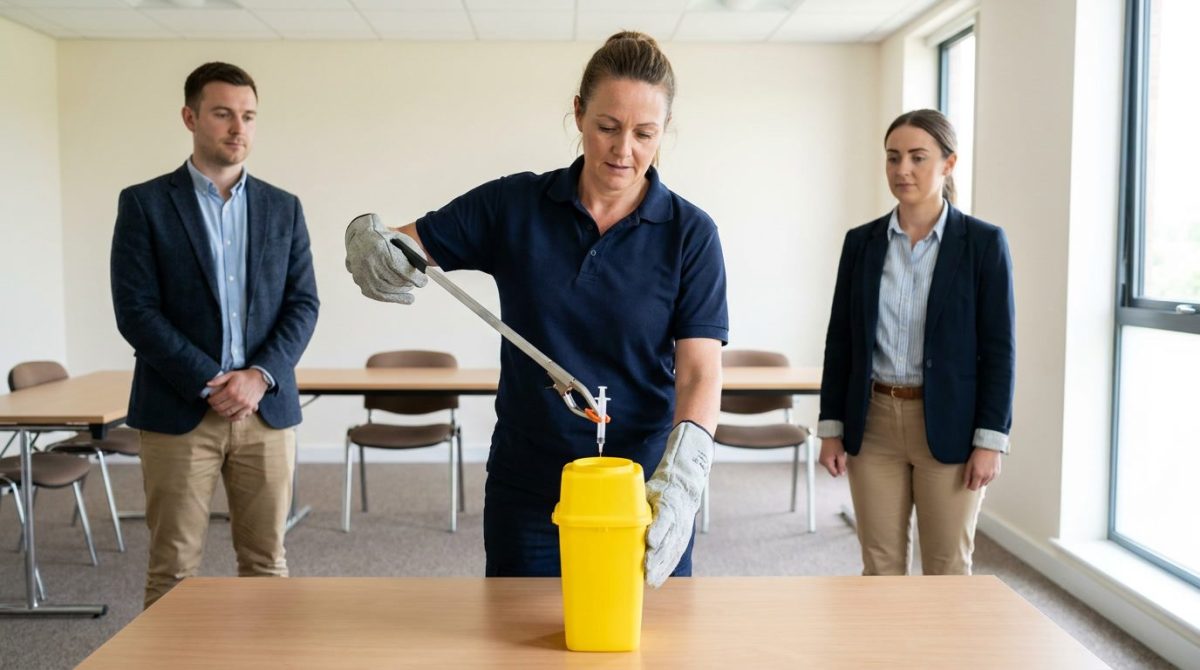
- Sharps and needlestick injuries in nursing settings
- COSHH for cleaning chemicals and clinical substances
- Lone working on night shifts
- Slips and trips on wet floors and in bathrooms
The law
Your Legal Duties
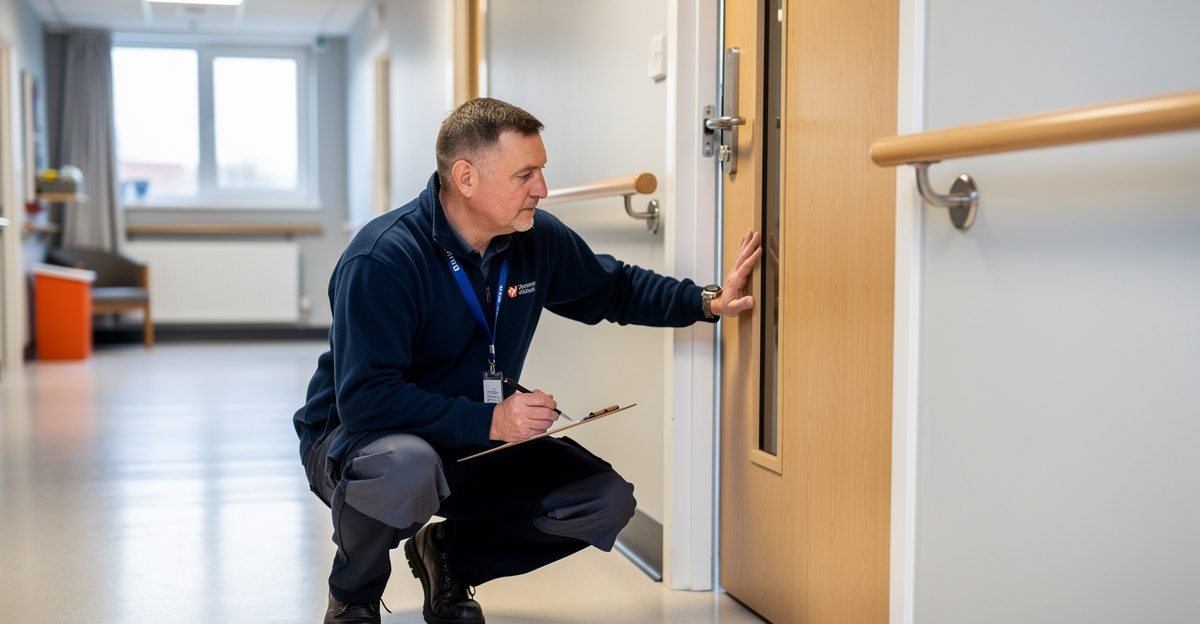
Alongside the Health and Safety at Work etc. Act 1974 and the Regulatory Reform (Fire Safety) Order 2005, care settings need to consider the Manual Handling Operations Regulations 1992, COSHH 2002, and the Health and Safety (Sharp Instruments in Healthcare) Regulations 2013 where clinical care is delivered. Fire strategy in care homes is usually built around progressive horizontal evacuation rather than immediate full evacuation, which places heavy reliance on compartmentation and fire doors being maintained.
How we help
What We Do for Care Homes Clients
- PAS 79 fire risk assessments written for sleeping-risk premises
- Review of your evacuation strategy and PEEP arrangements
- Moving and handling risk assessments and staff training
- COSHH assessments for your actual product list
- Health and safety policy and arrangements aligned to what a regulator expects
- Sharps and needlestick awareness training
- Face-fit testing where RPE is used
- Accident investigation and RIDDOR support
Relevant services and training
-
-
-
-



“Integral Safety provides the authoritative support and assurance our charity needs to keep residents, staff, and visitors safe. Their expert guidance ensures we remain fully compliant with all health and safety legislation and regulatory requirements. With tailored in-house training and excellent value for money, we highly recommend them to any organisation seeking comprehensive safety support.”
Questions
Care Homes: Common Questions
How is a care home fire risk assessment different from an office one?
Do we need a PEEP for every resident?
Will you work alongside our CQC preparation?
What is the most common problem you find in care homes?
Local to you
In Your Area
Based in Coalville and Melton Mowbray, we work across Leicestershire and the East Midlands.
Sector expertise
Other Sectors We Work In


Talk to Us About Your Care Homes Site
A free, no-obligation conversation about what you need and what it would cost.