
Sector Expertise
Health and Safety for Warehousing and Logistics
The M1, M42 and A42 corridor has made this region a national logistics hub. Warehouse risk is dominated by vehicles, racking and repetitive handling, and all three are manageable.

- Chartered (CMIOSH) Advice led by a Chartered Member of IOSH
- 20+ years Protecting Midlands workplaces
- Local to you Based in Coalville and Melton Mowbray
- Free quote Clear, fixed prices with no obligation
Why it is different
Warehousing & Logistics: What Makes This Sector Different
North West Leicestershire sits at the centre of the UK's distribution network. The area around Castle Donington, Bardon and the M1 junctions carries an enormous concentration of warehousing and freight operations, and the sector keeps growing.
Warehouse health and safety is unusually concentrated: a small number of hazards account for most of the serious harm. Vehicles and pedestrians sharing space, racking that has been struck and not reported, working at height on mezzanines and during picking, and the cumulative toll of repetitive manual handling. Get those under control and you have addressed most of your risk.
Know your risks
The Risks That Matter Here
The hazards we see most often in warehousing & logistics, and the ones a regulator or client will ask about.
- Forklift and pedestrian segregation, the sector's defining risk
- Loading bay and yard traffic management
- Racking damage, inspection and the SEMA rating system
- Falls from mezzanines, order pickers and vehicle beds
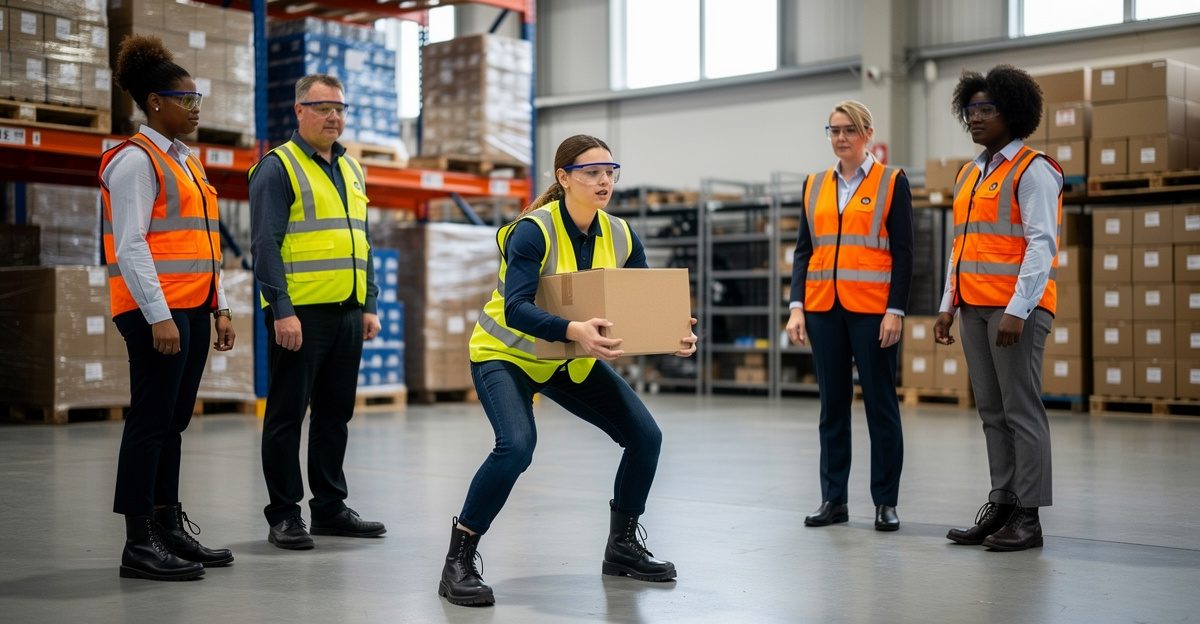
- Repetitive manual handling and musculoskeletal disorders
- Vehicle loading, load security and unloading arrangements
- Fire risk and sprinkler design in high-bay storage
- Agency and seasonal staff induction and competence
- Noise from handling equipment and conveyors
The law
Your Legal Duties
The Workplace (Health, Safety and Welfare) Regulations 1992 require traffic routes to be organised so pedestrians and vehicles can circulate safely, which is the legal basis for segregation. PUWER covers forklifts and handling equipment, including inspection and driver competence, and LOLER 1998 requires thorough examination of lifting equipment, which includes forklift forks and attachments. Racking is work equipment under PUWER, so damaged racking is a legal issue and not merely a maintenance one.
How we help
What We Do for Warehousing & Logistics Clients
- Workplace transport risk assessment and traffic route design review
- Racking inspection regimes and damage reporting systems
- Manual handling assessment and training
- Fire risk assessment for high-bay and high-density storage
- Agency worker induction arrangements
- Site safety audits and inspections
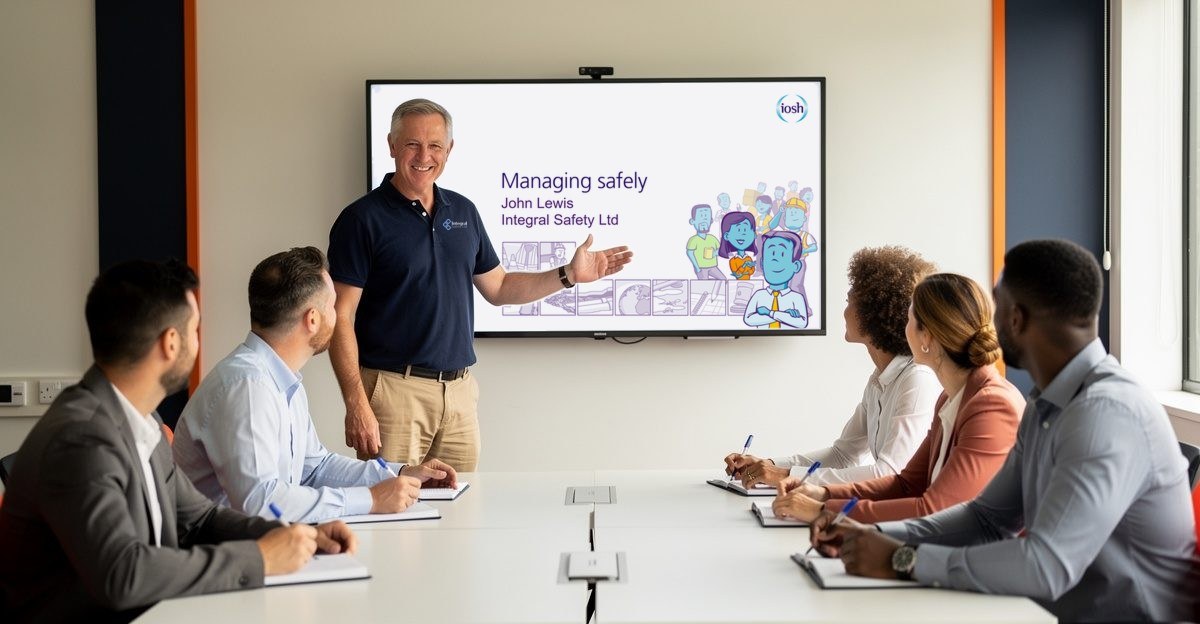
- IOSH Managing Safely for shift managers and team leaders
- Accident investigation and RIDDOR support
Relevant services and training
-
-
-
-


“Integral Health and safety Consultants have been undertaking H&S audits for the past twelve months on one of our large value developments. They have dealt with various issues that we have had very quickly using minimal hassle to us. Their Site Visits are weekly and their paperwork is always prompt. We would recommend Integral Health and safety consultants to any business that wants a reliable and professional company to take care of their health and safety issues.”
Questions
Warehousing & Logistics: Common Questions
How often should racking be inspected?
Is full segregation of forklifts and pedestrians always required?
What are the duties around agency and seasonal staff?
Do you cover the Castle Donington and Bardon distribution parks?
Local to you
In Your Area
Based in Coalville and Melton Mowbray, we work across Leicestershire and the East Midlands.
Sector expertise
Other Sectors We Work In


Talk to Us About Your Warehousing & Logistics Site
A free, no-obligation conversation about what you need and what it would cost.